Zambian Partnerships
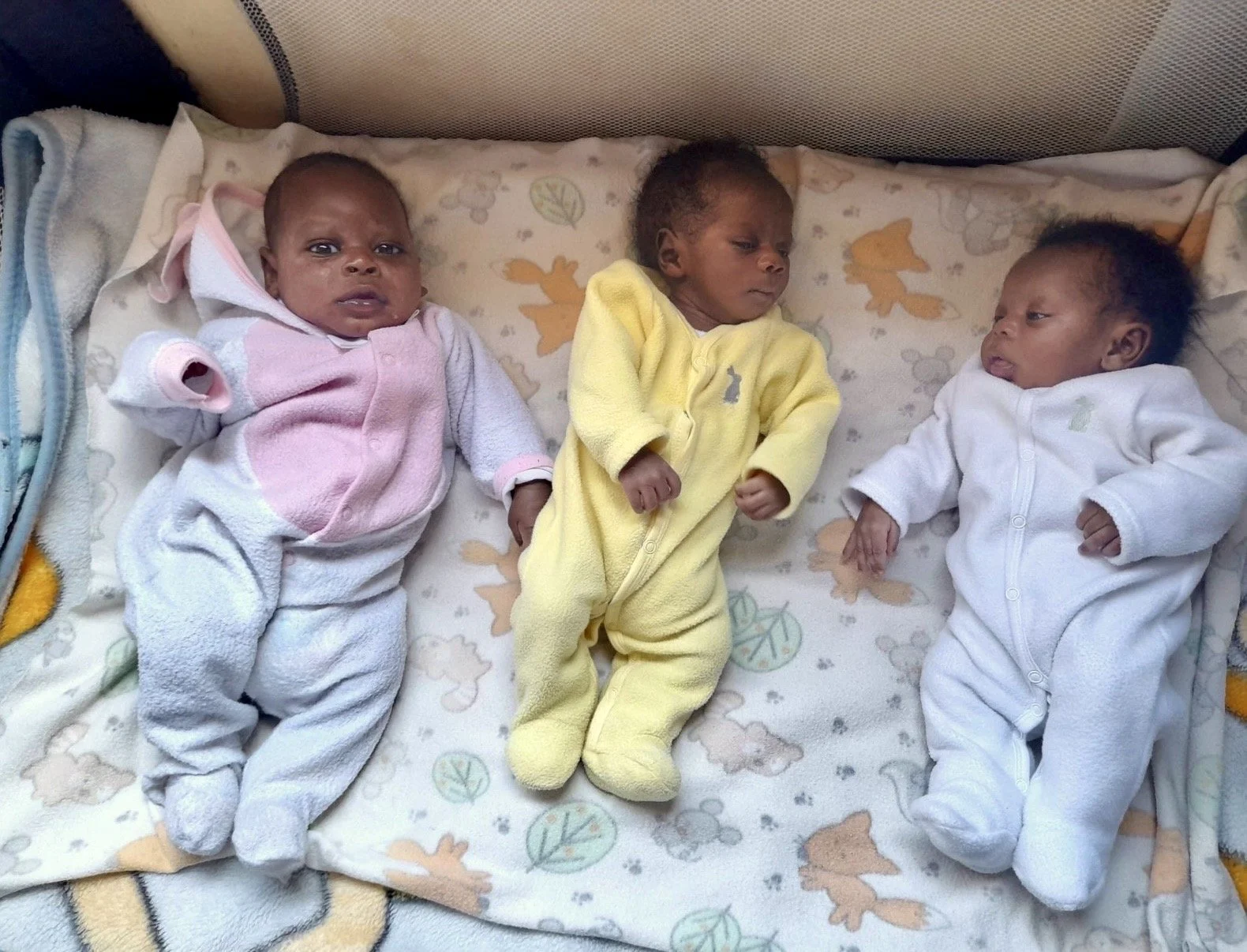
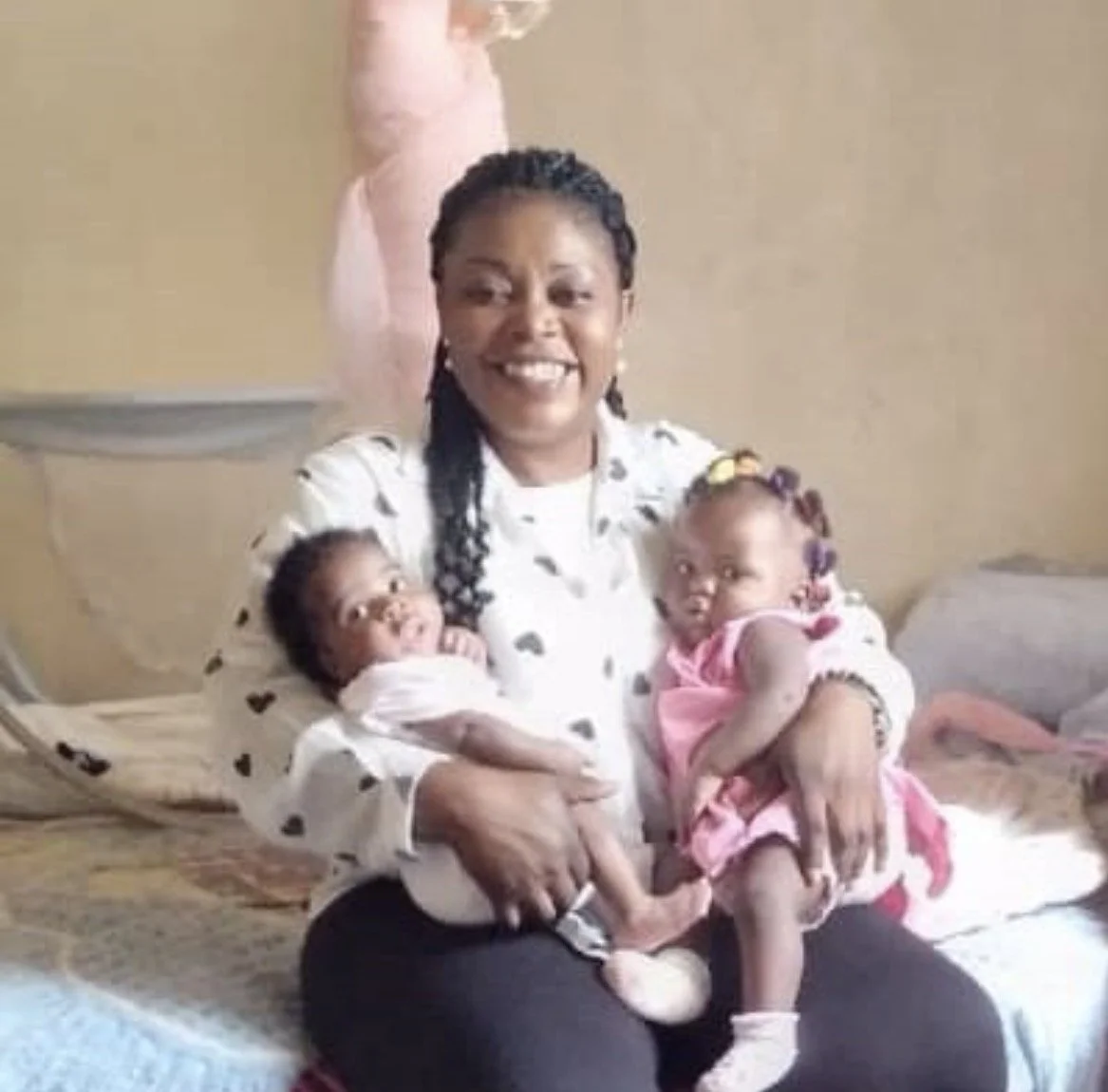
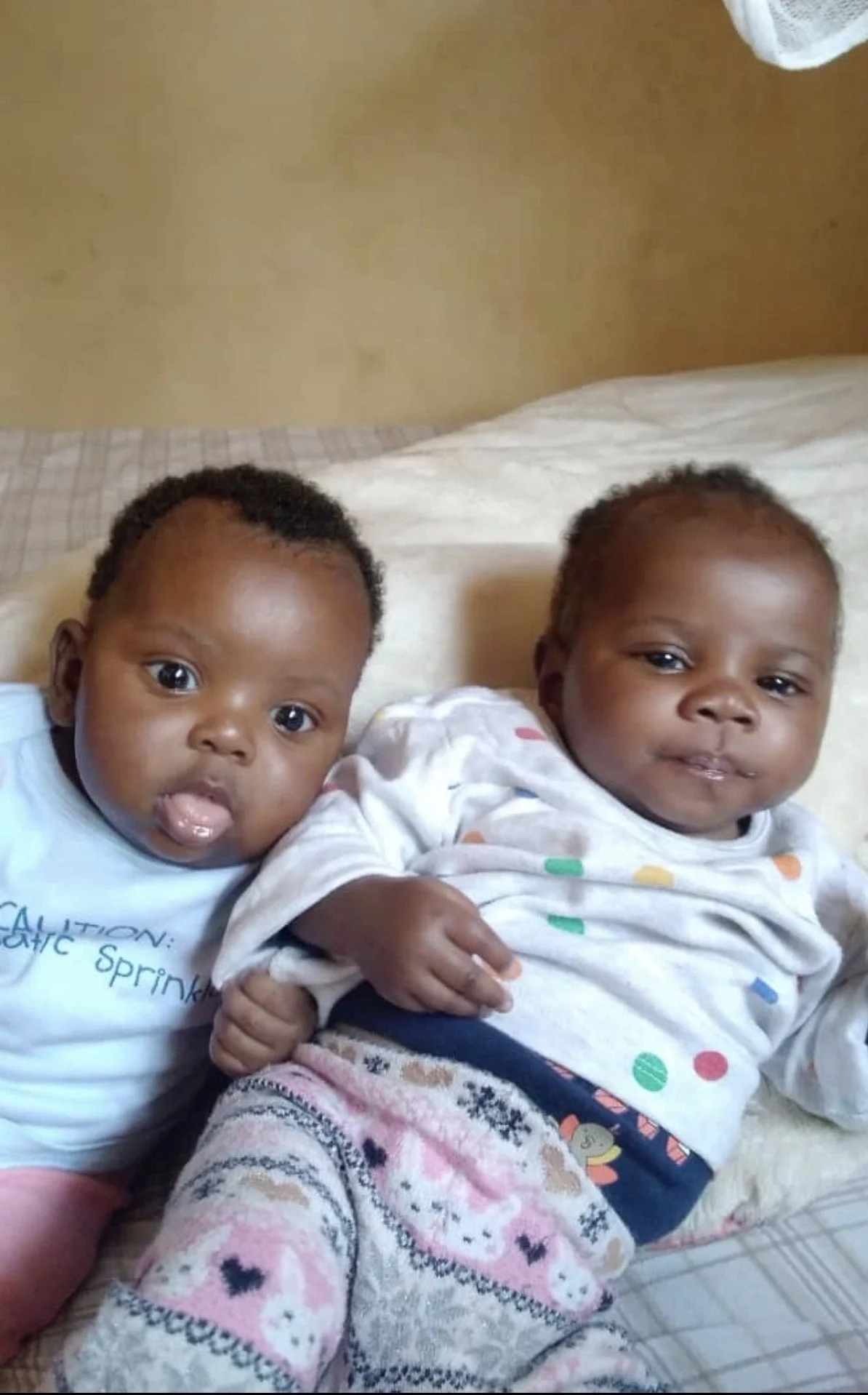
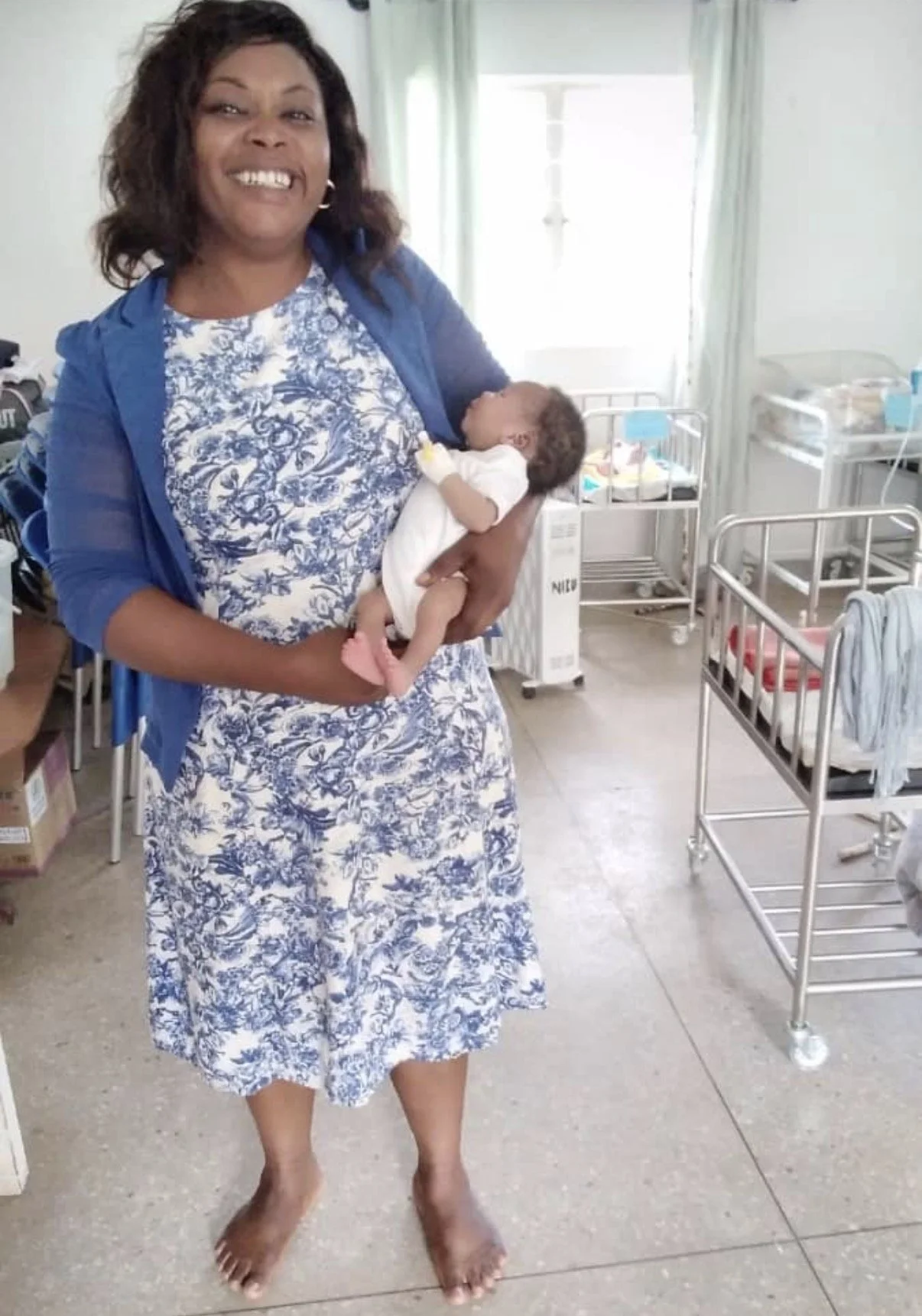
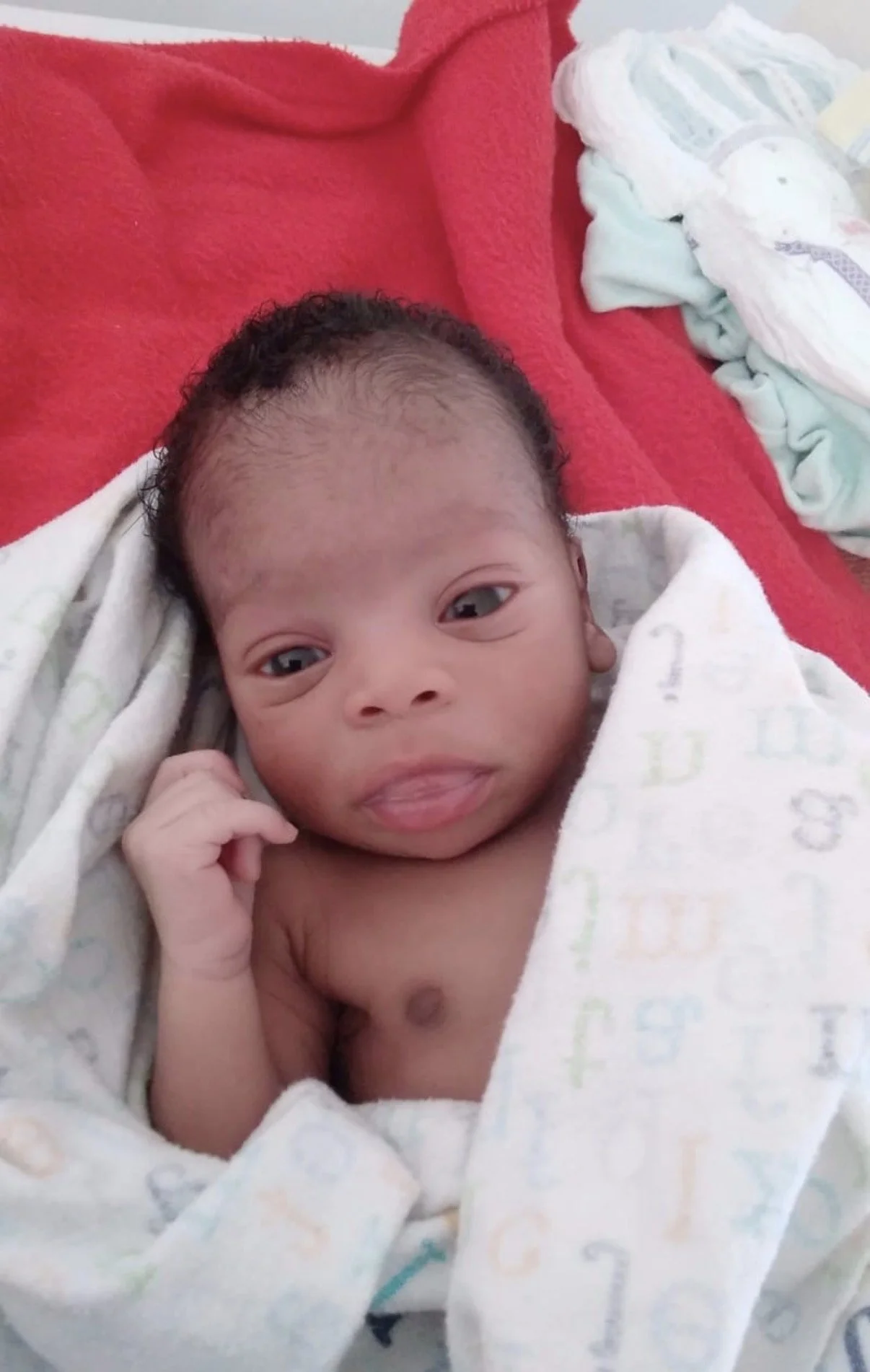
In 2023, in a single week, three babies, abandoned to die, were given to Theresa’s friend Helen by the police. Unable to be the sole caregiver for them, she searched for somewhere local to take them. Unfortunately, there was nowhere nearby that could receive these babies, and they were all relocated to an orphanage about 50 miles outside of Kabwe.
This experience compelled Helen to find a way to care for vulnerable peoples, and later that year she founded “Ndubulwila Community Care and Babies Home,” an official NGO (non-government organization) in Zambia. Ndubulwila, directly translated, means “my advocate,” one word that captures her passion: to protect, care, and fight for the least of these.
Although Helen’s initial vision was to care for abandoned babies, she intentionally left room in her NGO’s description for caring for any vulnerable peoples in the community which included young mothers, trafficked girls, and children with disabilities. Ndubulwila Community Care and Babies Home found it’s first expression in the disabled population.
Disabled Children’s Center
There is a high percentage of children with disabilities in Kabwe because of lead poisoning in the water, despite mines closing in 1994. Kabwe is considered one of the most polluted cities on Earth.
In this microcosm of pollution and poverty, disabled children are often overlooked, abused by their peers, and in some cases, abandoned by their parent(s). These children are exactly the sort of whom Jesus was speaking when He said “Inasmuch as you’ve done it (cared for) for the least of these, you have done it unto Me.” (Matt 25:40).
The Disabled Children’s Center, part of Helen's NGO, was formed in response to a need she identified after making house visits to the parents of disabled children. Throughout these meetings, Helen heard clearly that these parents simply wanted a place for their children to attend school, since the traditional schools were not equipped to work with them.
Right around the time that Helen became aware of the needs of these disabled children, she also became aware of a building within the township that was being vacated. A ministry had built a large building with multiple classrooms, a walled exterior, solar panels with batteries for electricity, toilets, and running water. Helen approached the ministry and asked if she could use the plot for ministry, to which they agreed, as long as they can have it back if they ever return.
The Disabled Children’s Center presently serves 91 children Monday through Friday during the day. Those who come receive love and care from Helen, Alfred, and 10 volunteers who work diligently to provide education, character training, and assistance with range of motion as needed. Furthermore, everyone receives a single meal through the support of a German organization and wheelchairs (as needed) through an Australian organization.
Currently, there is no financial or other support for this community care center.
Helen, Alfred, and the 10 volunteers wear multiple hats in their effort to maximize the abilities of the children. Some staff function similarly to physical or occupational therapists by assisting with range of motion and performing tasks of daily living. While other staff are teachers, caregivers or cooks. It takes a lot to feed 91 children from a few large pots over open coals daily! Despite having no formal training, these volunteers have made tremendous progress with the children they serve.
Because of everyone’s commitment to the center, some of these children have caught up to peers and were able to rejoin traditional schools to continue their education.
Existing Orphanage
As previously mentioned, the nearest orphanage to Kabwe is about 50 miles away. This humble home has been the sole recipient of all abandoned babies that Helen has been involved with, in addition to 18 others.
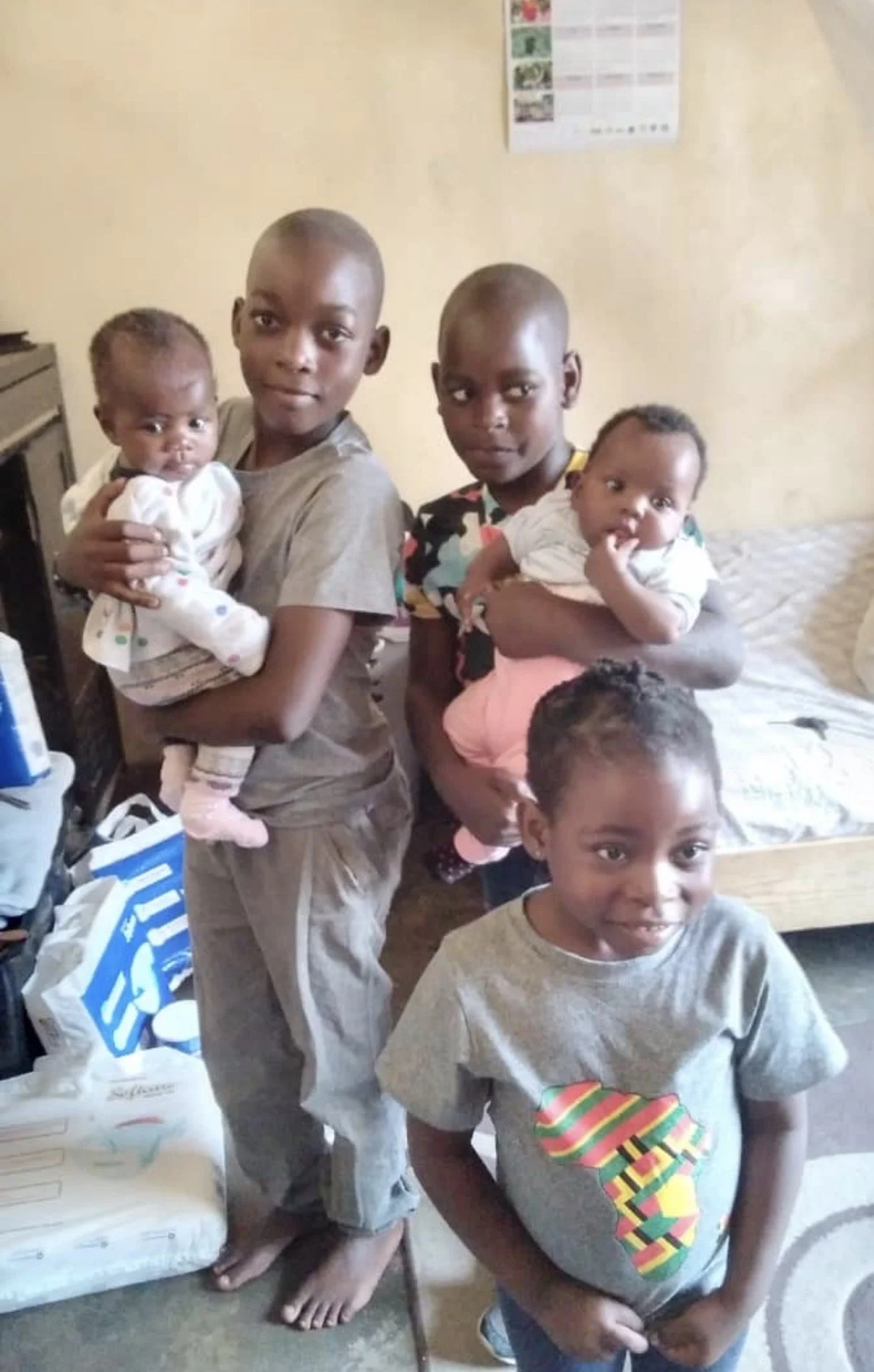
On her most recent trip, Theresa was able to tour the property, children’s rooms, and sit and talk with a woman named Mary, who is one of the two house mothers on the plot. Both Mary and the other house mother are widows in their 60s. They are the primary caregivers for all 21 young children that live there. While there, Theresa asked Mary, “What do you need?” To which she replied, “only food for the children.” It is our desire to not only provide sufficient food for the children, but also to increase the variety and nutritional content available.
This Orphanage also has no official funding; therefore, Overflow Ministries is committed to sending monthly support to help feed the children.
Abandoned Babies Home
At present, there is still nowhere local to take babies, and any babies found are transferred by Helen to the orphanage above. This approach has worked thus far, but the small home is quite full and is a lot for the two elderly mothers to keep up with.
It has been Helen’s hope from the beginning that a local home for abandoned babies could be established.
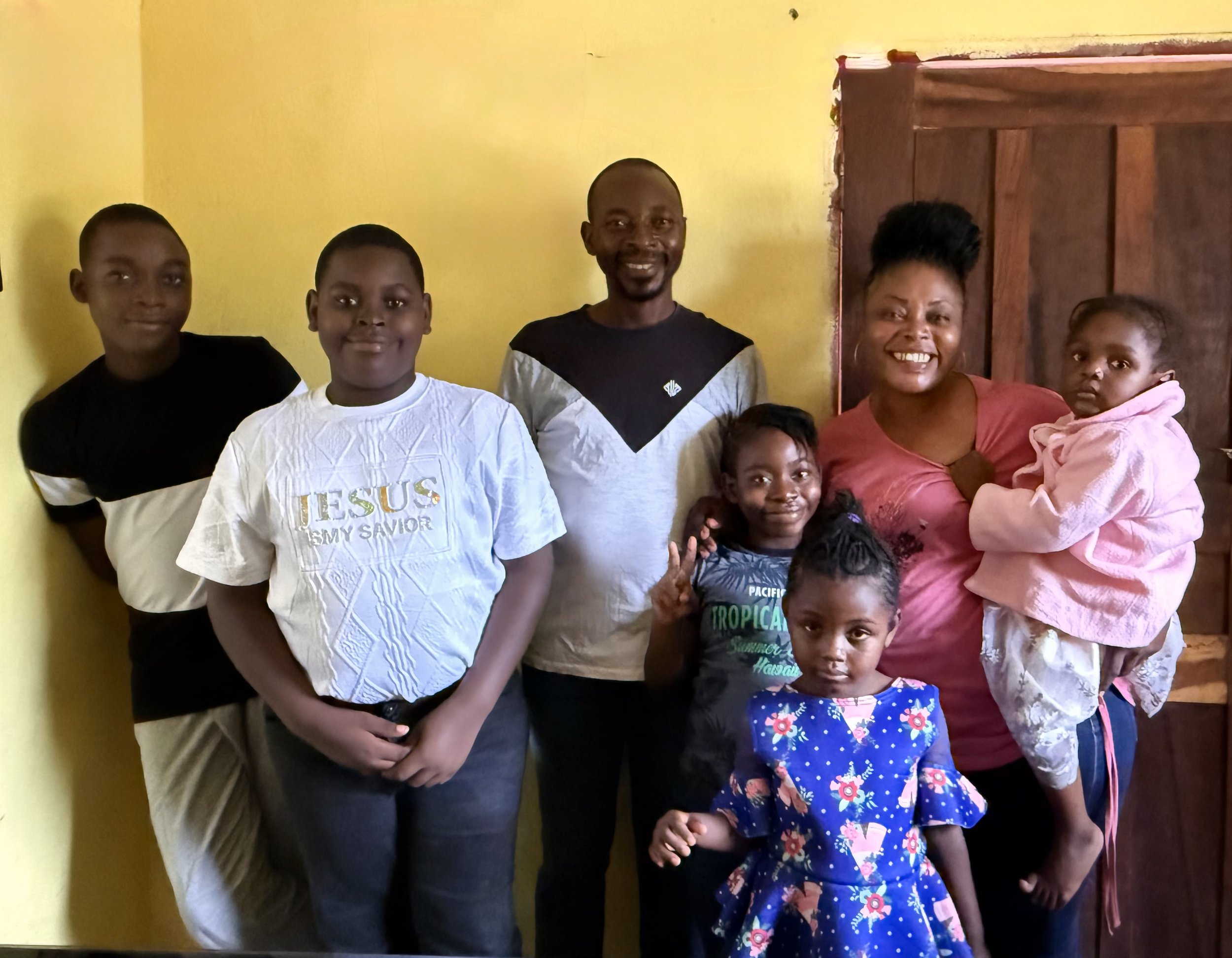
After receiving a plot of land as part of an inheritance, Helen and her family began building a house for future babies. At present, the house has a foundation and a brick exterior. They have been unable to complete the project due to a lack of funding. That is, until the generosity of those supporting God’s work in Kabwe through Overflow Ministries got involved. Although the construction is not complete, it seems likely that all the finances needed to finish this project have been received.
When finished, the home will have a house mother who will care for the babies as well as focus on developing attachment to adults.